Multipurpose Spray

A handy option for routine wipe-downs on supported household surfaces before and after your fridge clean. Check the label directions and test on an inconspicuous area first.


A second-hand fridge can be a bargain, but opening the door for the first time is not always a charming experience. Old spills, sticky seals and that lingering mystery smell tend to come with the territory.
The good news is that most used fridges can be brought back to a clean, food-ready state with a bit of patience and the right method. The trick is to clean in stages, dry it properly and deal with moisture before the smell settles back in.
Start by switching the fridge off at the wall and unplugging it. If it has been running, leave the door open for a little while so any ice can soften naturally. In a warm Australian summer this usually happens fairly quickly, but keep towels nearby because defrost water has a habit of sneaking across the kitchen floor.
Take out every removable part, including shelves, drawers, door bins and egg trays. If anything feels brittle from age or cold, let it come to room temperature before washing. Cold glass or plastic plunged into hot water can crack.
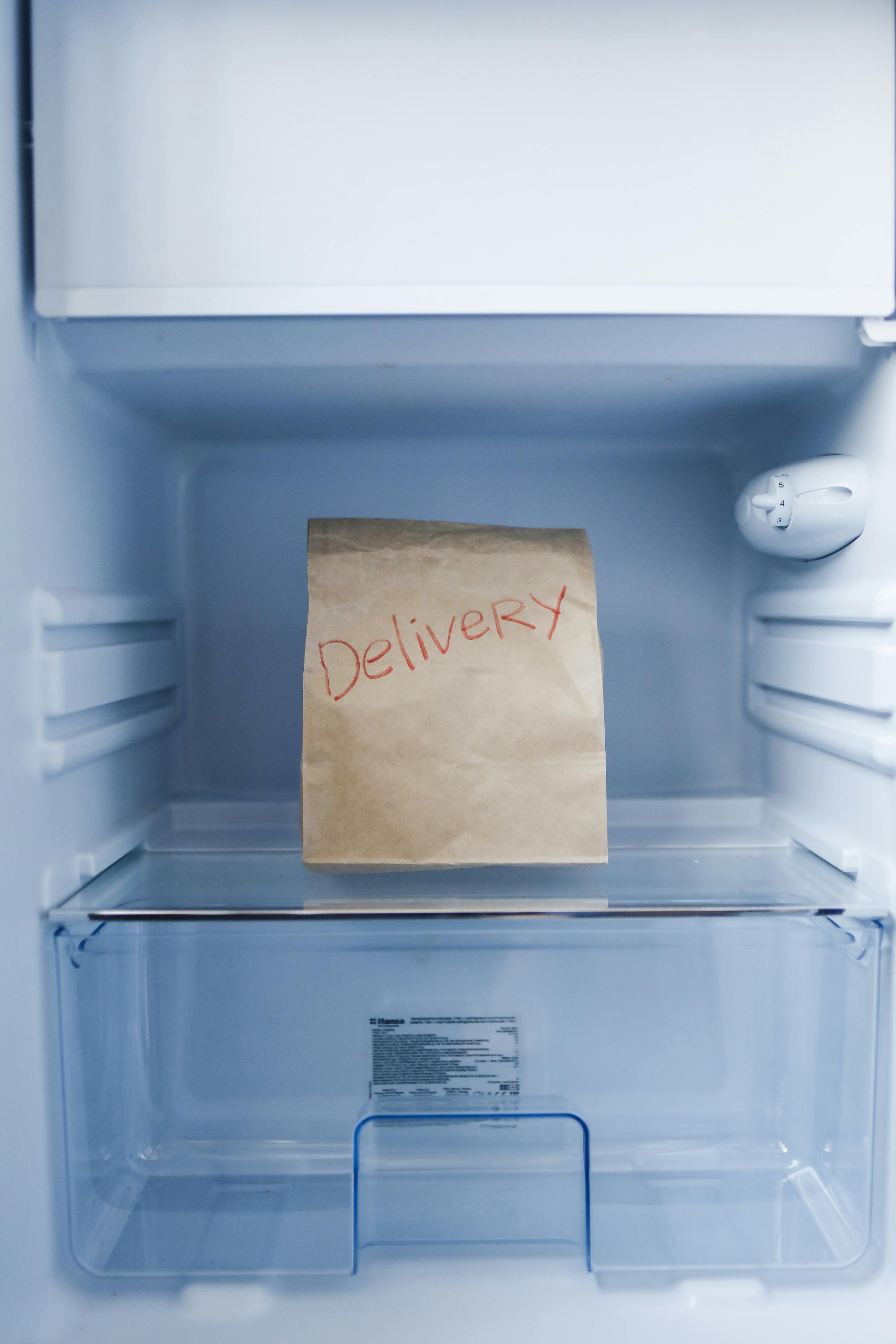
Give shelves and drawers a pre-soak in warm water with a small amount of mild cleaner. This loosens dried-on food and makes the rest of the job much easier. A soft cloth or non-scratch sponge is usually enough for most fridge interiors.
Before you start spraying, wipe out crumbs, wilted bits of veg and any loose grime with a dry cloth or paper towel. It sounds obvious, but dry removal first stops you turning old food residue into a smeary paste.
For the interior walls, door lining and shelves, use a gentle multipurpose cleaner or warm water with a little mild soap. If you prefer a simpler low-tox approach, bicarbonate of soda can be handy for deodorising and light grime. If you are using a ready-made surface product, follow the label and test on an inconspicuous area first. You can also read more about keeping your kitchen clean without harsh chemicals if you are trying to simplify the rest of the cupboard too.
Pay extra attention to the door seals. This is where old spills, condensation and light surface mould often settle, especially in humid areas or fridges that have sat unused in a garage. Fold back the rubber gently and wipe into the creases with a soft cloth or cotton tip. Avoid anything abrasive that could damage the seal.
If there is a stale smell after the first clean, go back over the interior with fresh cloths and clean water so no residue is left behind. Then dry everything thoroughly. A surprising amount of fridge odour is really trapped moisture.
For light surface mould on removable parts or accessible seals, clean it carefully with gloves on and plenty of ventilation. Use a cloth you can wash straight away, and avoid scrubbing so hard that you spread it around. If mould covers a large area, keeps returning immediately, or appears deep inside insulation, behind panels or around damaged seals, it is worth pausing. At that point, repair or professional advice may make more sense than repeated cleaning.
If your used fridge has a strong musty smell from long-term damp, this is often part cleaning job and part moisture problem. Our guide on keeping damp at bay in Australian homes is useful if the appliance has been stored in a shed, rental or coastal garage.
Once everything is clean, rinse or wipe down removable parts as needed, then dry them well before putting them back. Fridges hate trapped moisture. Use a dry microfibre cloth for the final pass if you want to cut streaks and speed things up.
Once the deep clean is done, the aim is simple: stop smells building up again. That usually comes down to airflow, fast spill clean-up and not letting damp corners stay damp for days.
Try not to overpack shelves. In summer, especially when the fridge is full of leftovers, fruit platters and barbecue marinades, air needs room to move. A tightly packed fridge can end up with warmer pockets and more condensation, which is where smells start to hang around.
Open containers are another common culprit. Cut onion, leftover curry, seafood and soft cheeses can take over quickly. Lidded glass or BPA-free containers help keep food from drying out and stop odours moving through everything else.
For everyday freshness, wipe small spills as they happen instead of waiting for the weekly clean. Milk drips under a bottle, sticky jam around the lid, coriander sludge in the crisper, these are the little things that make a clean fridge feel grubby fast.
A small open dish of bicarbonate of soda can help absorb everyday food odours. It will not fix a dirty fridge, but it can be useful once the interior is already clean. Some households also like a cut lemon for a fresh scent, though it needs replacing regularly and should not be left to dry out and become its own science experiment.
Give the seals a quick look once a week. If you see droplets, crumbs or early specks of mould, wipe them then and there. It takes thirty seconds and saves a bigger job later. The same goes for the crisper drawers, which can trap moisture from washed herbs and veg.
If your kitchen tends to feel muggy in summer, or the fridge sits near a sunny window, keep an eye on the temperature setting and the back vent area. Heatwaves, coastal humidity and frequent door opening can all make the appliance work harder.
And if the fridge smell starts to drift into the room, deal with the source first rather than covering it up. This is the same principle we use across the home: clean first, then freshen if needed. If you like a lighter scent approach, our article on getting rid of stale and funky smells without heavy fragrance has a few practical ideas.
A handy option for routine wipe-downs on supported household surfaces before and after your fridge clean. Check the label directions and test on an inconspicuous area first.

Useful for wiping, drying and getting into fridge seals without scratching. They are especially helpful for the final dry-off, which can reduce lingering moisture.

For the kitchen itself, not the fridge interior. Once the source of the smell has been cleaned away, a fresh citrus room spray can help the space feel pleasant again.
A second-hand fridge does not need to stay stuck in its previous life. Clean it slowly, dry it properly, then keep the routine light and regular. A quick weekly wipe and a close eye on spills, seals and moisture will usually do more than any last-minute rescue mission.
If you are building a simpler kitchen cleaning routine around it, you can browse more practical guides in the Noosa Nude blog.
Your cart is currently empty.