Bicarb Cleaning Paste

A handy option for built-up soap scum and stubborn grime in shower tracks. Use with a soft brush, test first and scrub gently on finished surfaces.


Shower door tracks are one of those bathroom spots that look small, but hold onto an unfair amount of grime. Soap scum, shed hair, hard-water residue and general shower gunk all settle into the corners, especially in humid bathrooms where moisture hangs around long after the last shower.
The good news is you do not need a cupboard full of strong-smelling products to sort them out. A simple low-tox method, the right brush and a bit of dwell time usually do the heavy lifting. If you already follow a practical bathroom cleaning routine, this is an easy add-on that makes the whole shower feel cleaner.
Start by checking what your shower track is made from. Many Australian bathrooms have aluminium frames and tracks, plus glass, tile and silicone sealant close by. That matters, because a product that works well on built-up grime still needs to suit the surrounding surfaces. If you are using a paste or spray, test it on an inconspicuous area first and follow the label directions.
For most tracks, you only need a few basics: an old toothbrush or narrow detail brush, a soft cloth, warm water and a cleaner suited to soap scum and grime. For stubborn build-up, a paste can be more useful than a thin spray because it stays where you put it. If you use a bicarb cleaning paste, keep your pressure gentle and avoid aggressive scrubbing on delicate finishes.

Before you reach for the brush, remove any loose hair and debris by hand or with a dry cloth. It sounds obvious, but it stops you turning damp grime into a slippery sludge that is harder to lift from the corners.
If the track is heavily soiled, repeat rather than scrub harder. A second round usually shifts what the first pass softened. This is especially true in homes with hard water, where chalky deposits can cling to the edges of the frame and keep grabbing onto fresh soap residue.
There are also a few things worth avoiding. Do not use metal scourers, sharp tools or anything likely to scratch coated aluminium or glass. Be careful around painted finishes. If the shower sits on natural stone or near unsealed surfaces, keep products off those areas unless the label specifically supports that use. And if you are tackling mould-prone areas nearby, never mix bleach with vinegar, acids or any other cleaning product.
If your broader shower needs attention as well, our guide to natural mould cleaning is a useful next read, especially for bathrooms that stay damp through summer or during long wet spells.
Most dirty tracks are not caused by one thing. It is usually a layered mix. Shampoo and body wash leave a film, skin oils help it stick, stray hair catches in the corners, and minerals in water leave a crusty edge over time. Once that layer forms, it traps more moisture and the shower starts looking tired even when the glass is clean.
Coastal and tropical parts of Australia can make this worse. Steamy bathrooms, limited airflow and warm weather can all keep tracks damp for longer. In older homes and rentals, the shower frame may also have tiny worn spots where residue settles faster. That is why a quick weekly wipe often works better than waiting for a major deep clean.
A cleaner designed for everyday surface mess can help with lighter weekly maintenance. For example, a natural multipurpose spray may be useful for wiping the outer frame and surrounding tiled edges, as long as those surfaces are supported by the label. It is still worth using a more targeted paste or detail-cleaning method when the track itself has compacted grime.
Once the tracks are clean, the aim is to stop water and residue sitting there day after day. You do not need a complicated system. A few small habits will usually keep them under control.
After the last shower of the day, wipe the bottom track with a dry cloth or an old hand towel. If that feels too fiddly every day, do it three or four times a week. This makes a real difference in bathrooms with poor ventilation, especially during a sticky Queensland summer or a rainy coastal week.
It also helps to leave the shower door open for a while after use, if the bathroom layout allows it. Run the exhaust fan for longer than you think you need, and open a window when weather and privacy allow. The less moisture sitting in the frame, the slower the build-up returns.
Keep an eye on the silicone edges and corners near the tracks. If you notice persistent discolouration, recurring moisture or damaged sealant, cleaning alone may not solve it. At that point, it may be worth looking at resealing or getting advice from a bathroom professional.
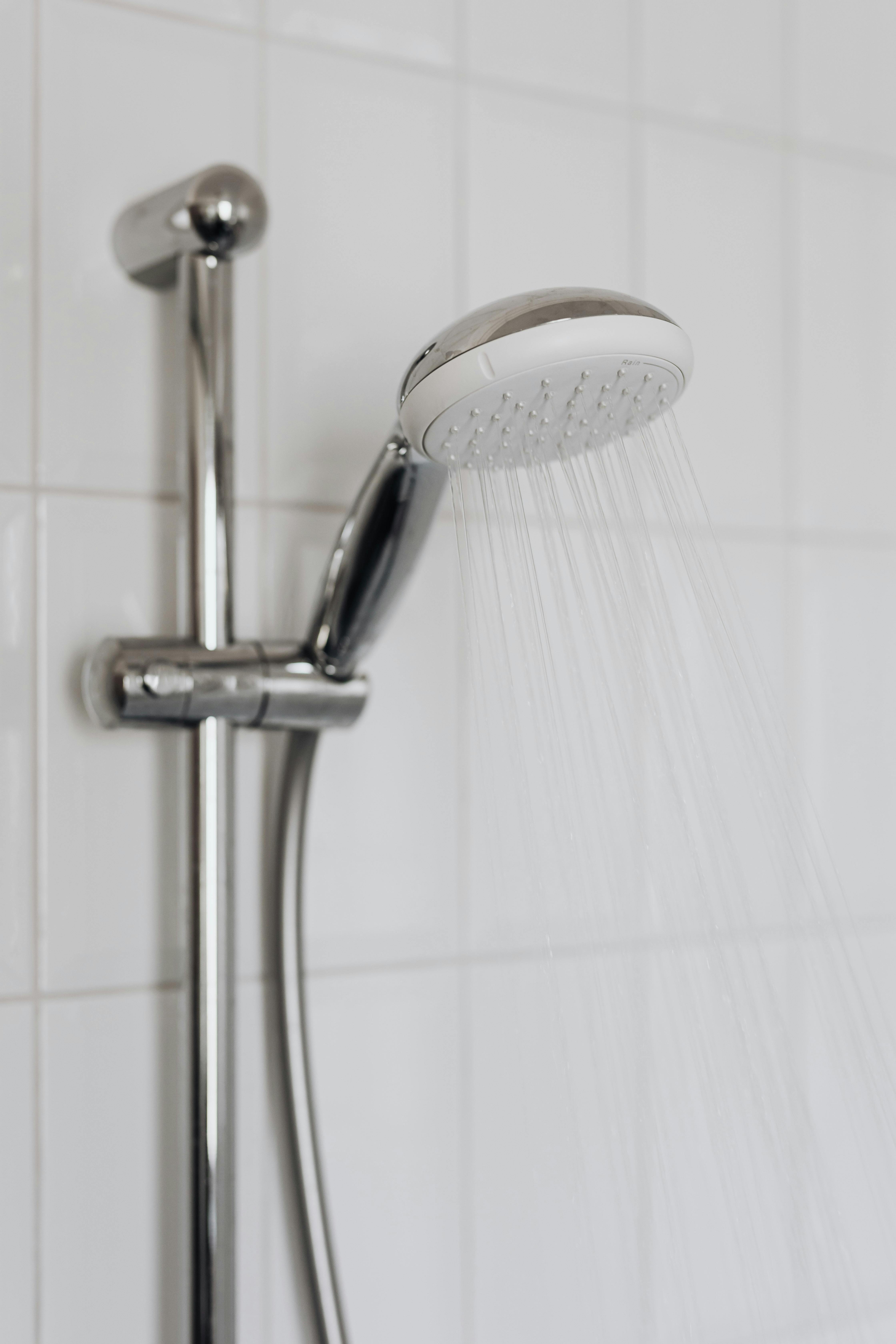
For weekly upkeep, pair the track clean with the rest of your bathroom reset. A quick wipe of taps, screen edges and the outside frame keeps the whole shower looking fresher, and it means the tracks never get the chance to become a half-hour job again.
A handy option for built-up soap scum and stubborn grime in shower tracks. Use with a soft brush, test first and scrub gently on finished surfaces.

Useful for lighter bathroom wipe-downs on supported surfaces, including the outer shower frame and surrounding areas as part of regular upkeep.

Ideal for wiping out loosened grime and drying tracks properly at the end, which helps reduce water sitting in the channel between cleans.
Clean shower tracks are not the most glamorous job in the house, but they do make the bathroom feel sorted. Tackle them properly once, keep moisture in check, and the weekly clean becomes much easier. If you are refining your routine with natural cleaning products in Australia, this is a good place to keep things simple and effective.
Your cart is currently empty.